IANAS at the IAP Conference: Session on Trust in Science

Contents
Trust in science as a global imperative for sustainable policy and societal well-being
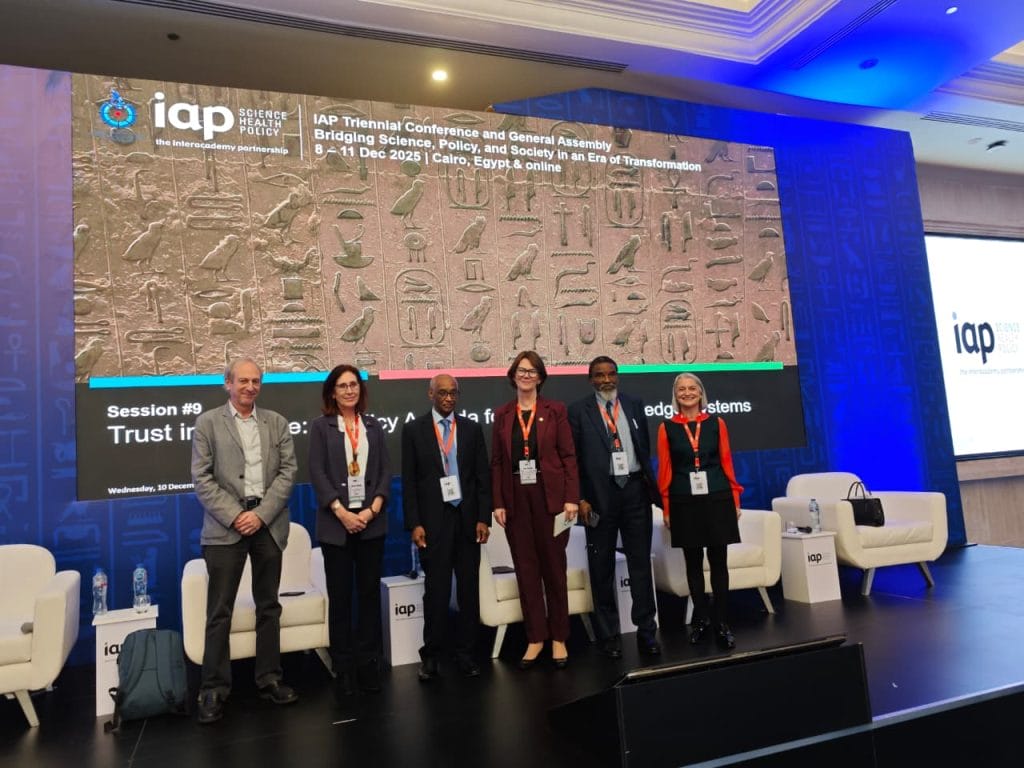
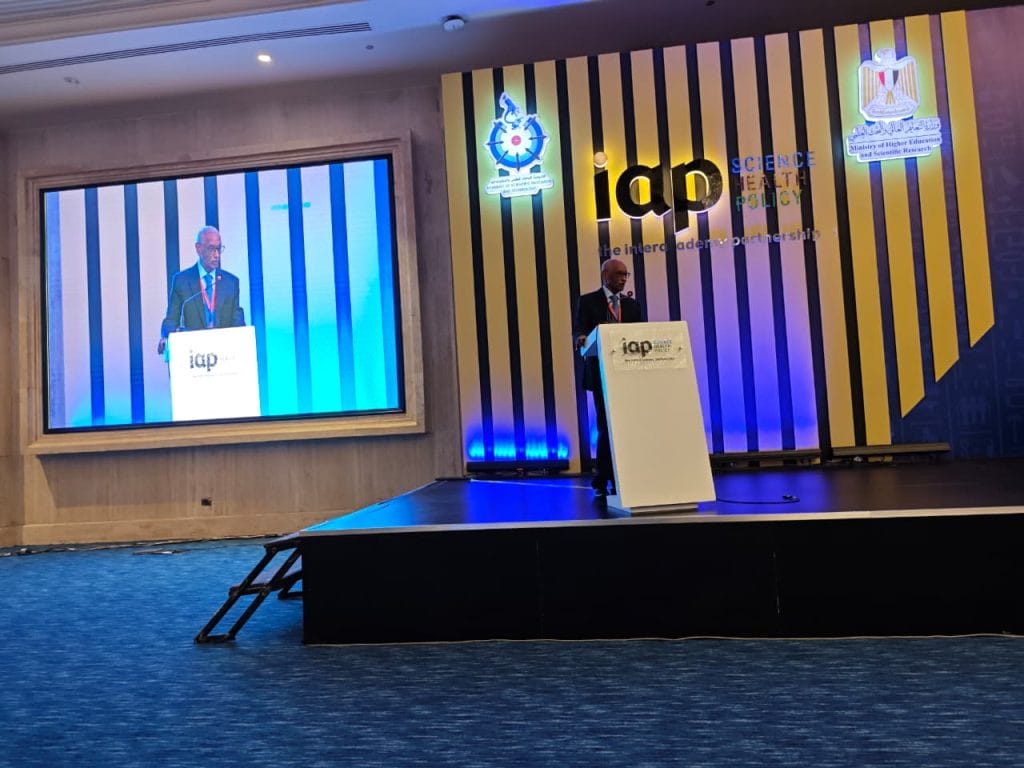
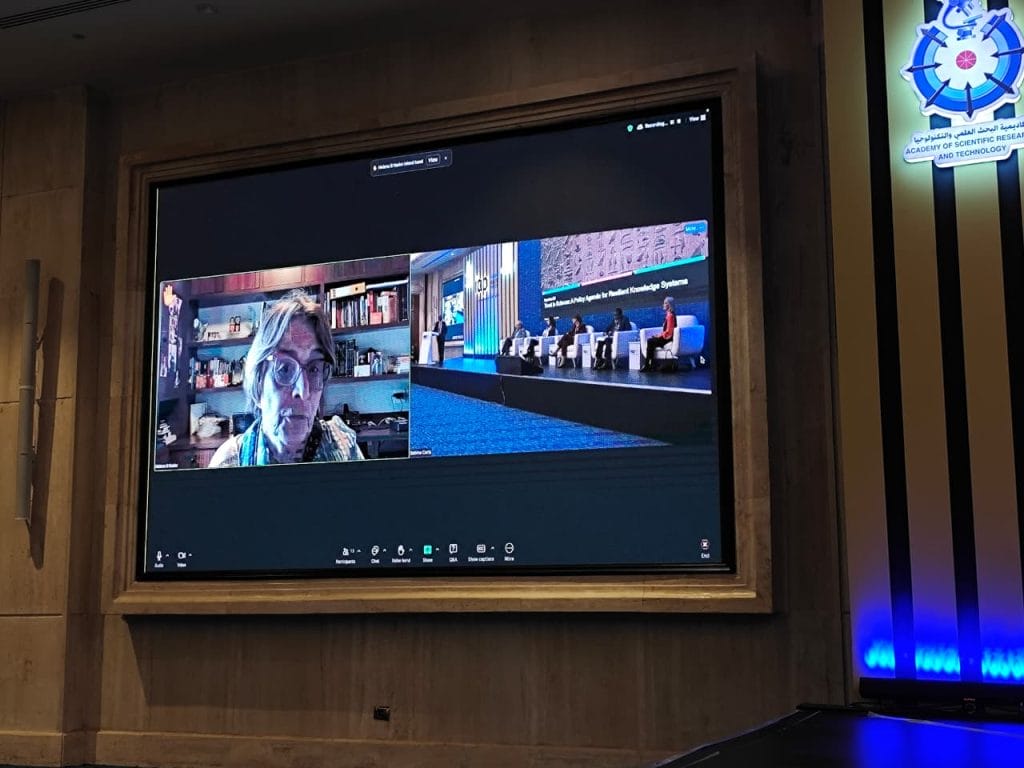
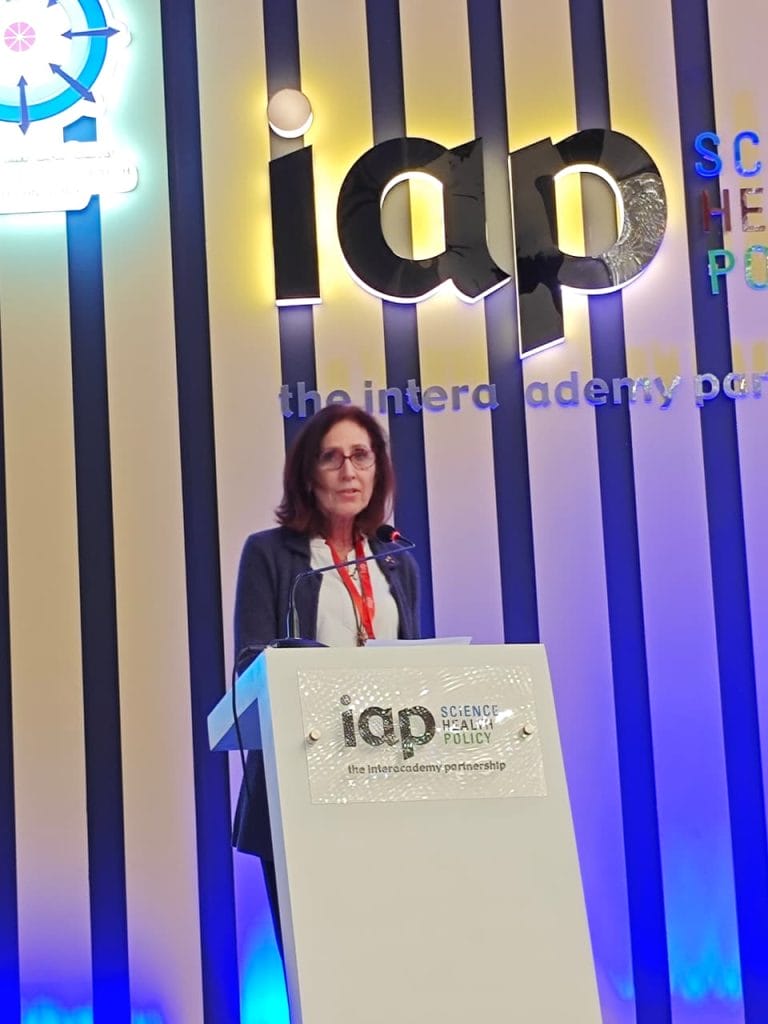
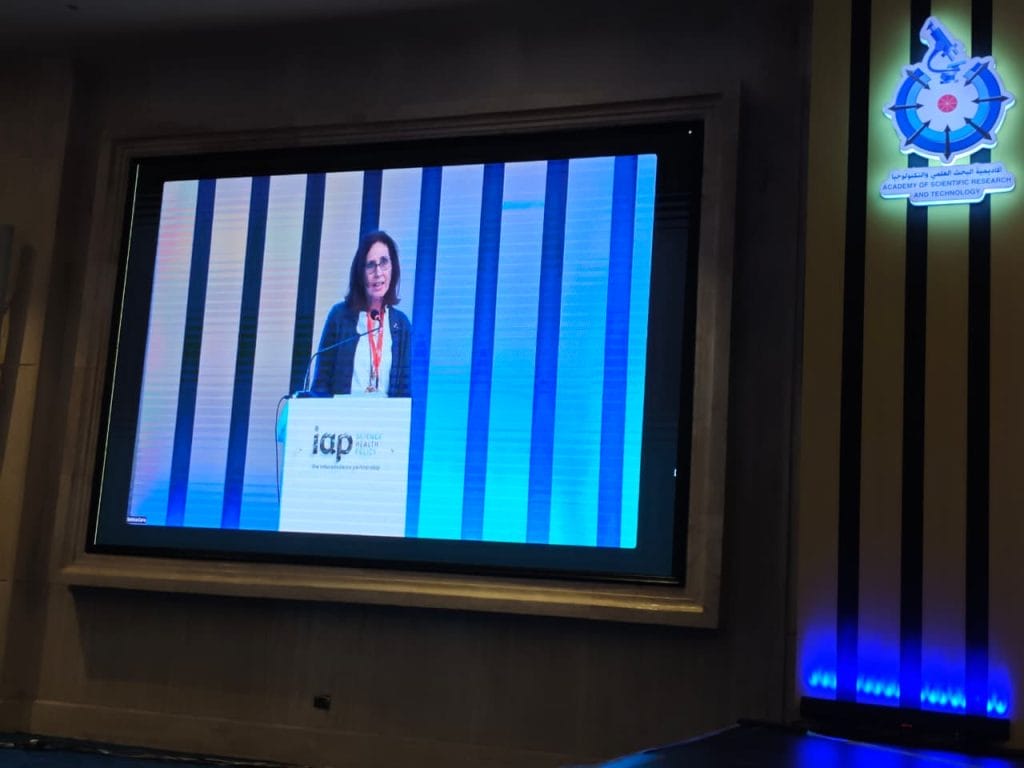
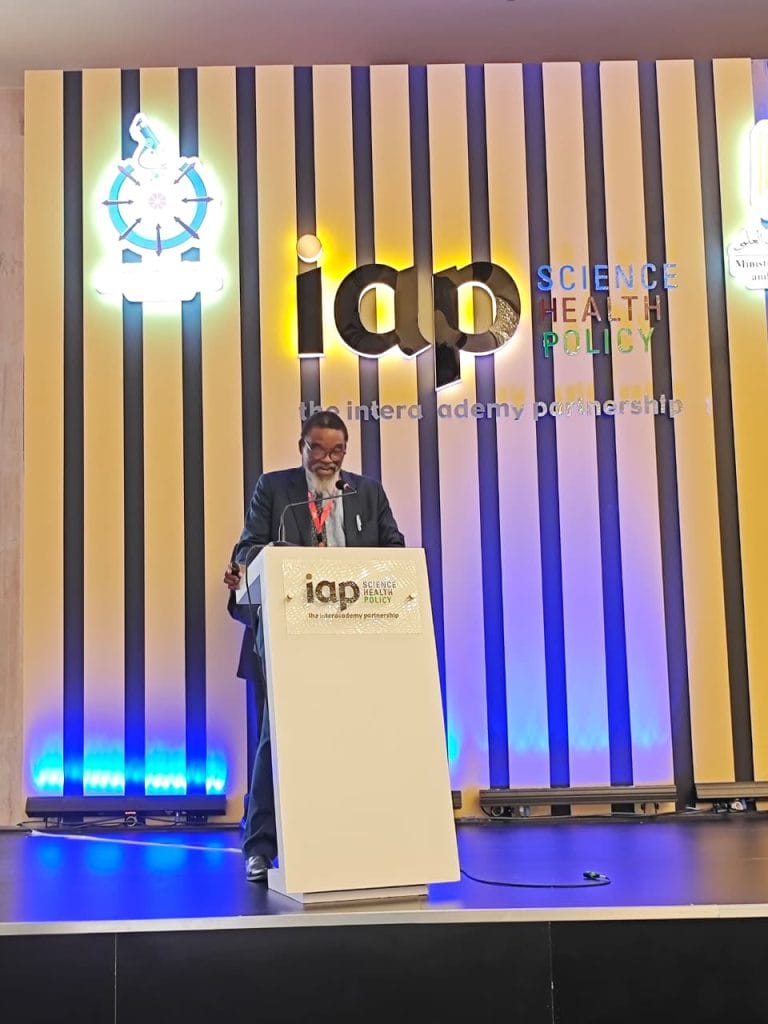
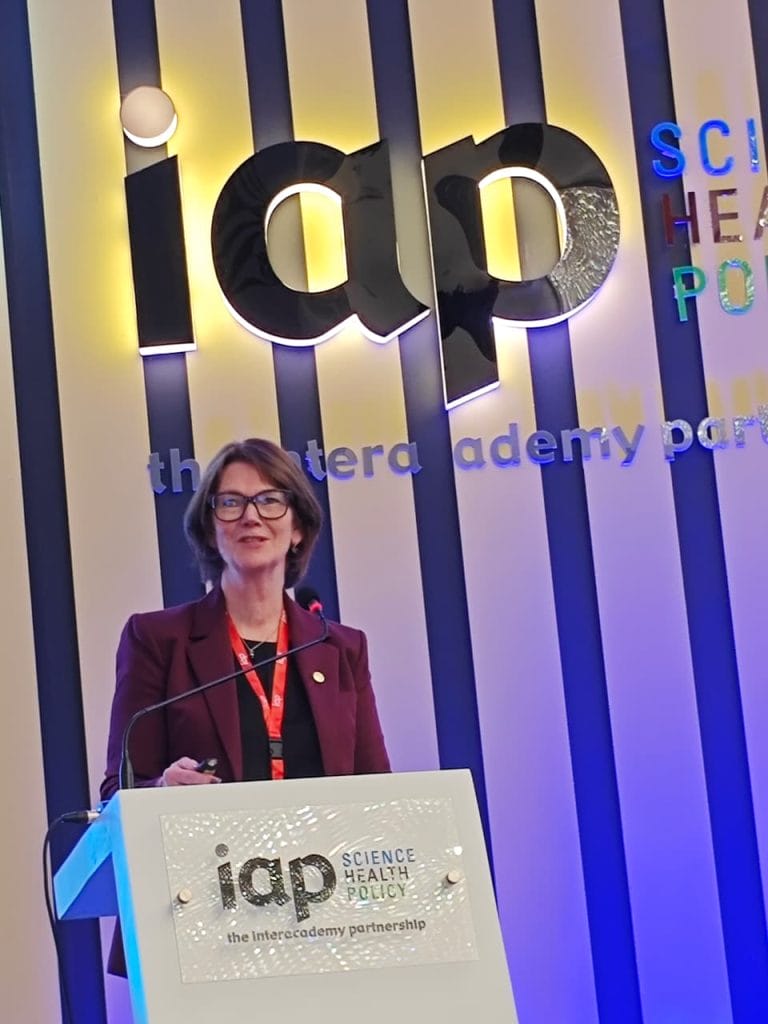
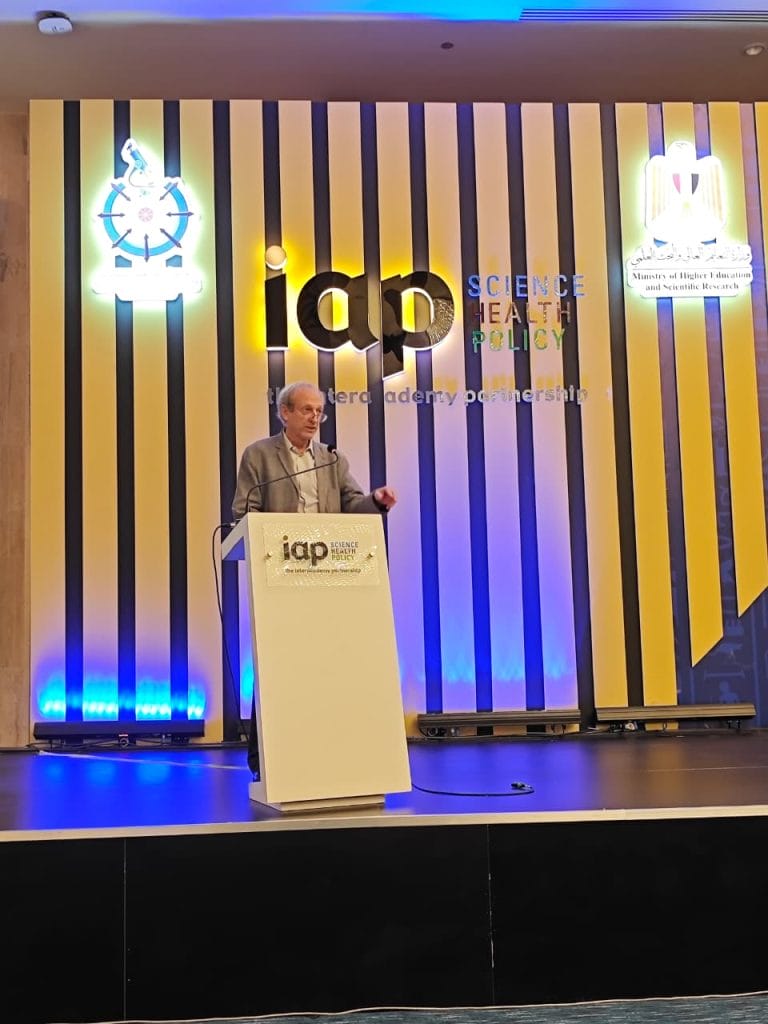
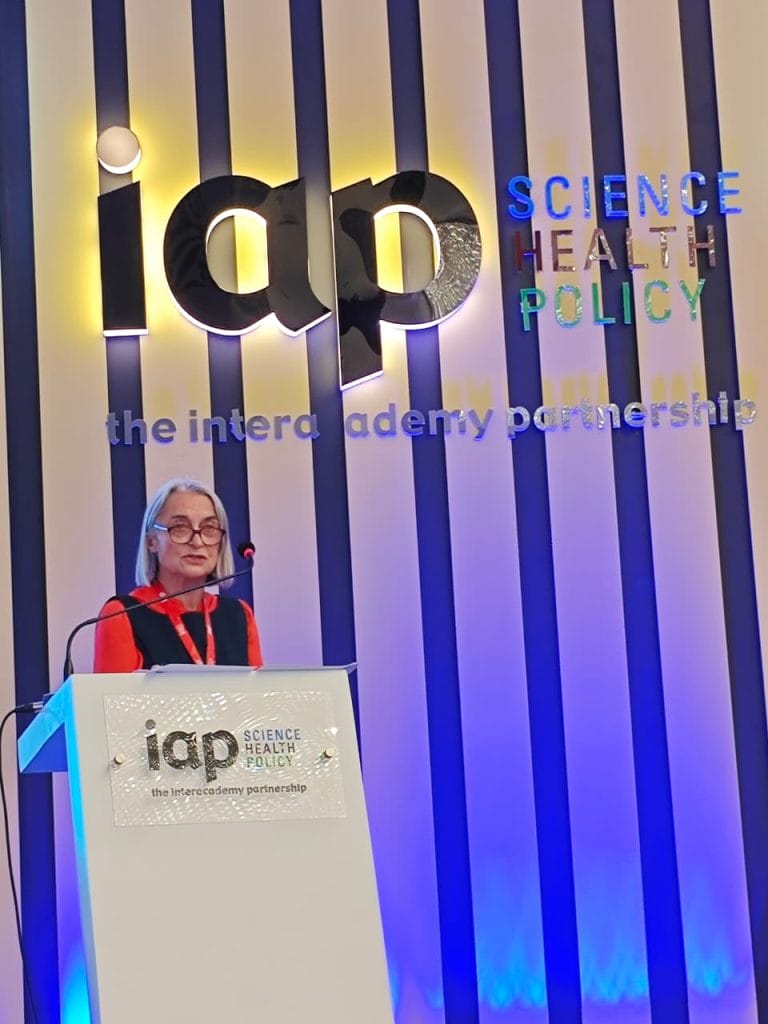
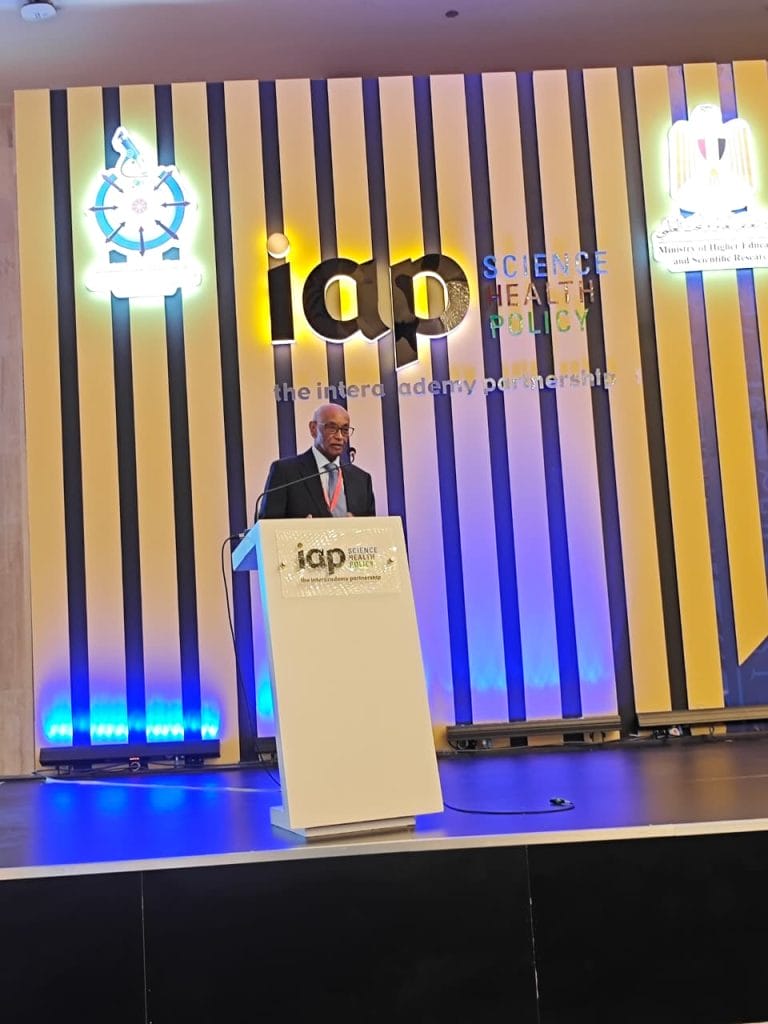
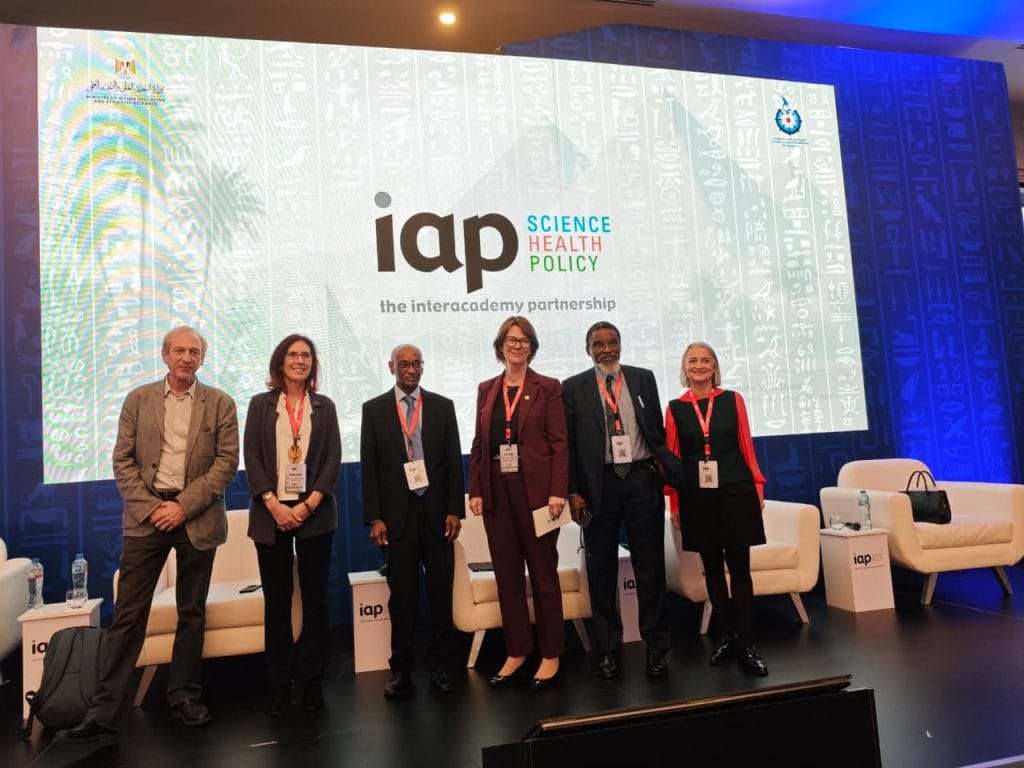
During the 2025 IAP Triennial Conference General Assembly, held in Cairo from December 8–11 under the theme “Bridging Science, Policy, and Society in an Era of Transformation,” IANAS played a central role in shaping the global conversation on trust in science. The session “Trust in Science: A Policy Agenda for Resilient Knowledge Systems,” proposed by IANAS and the Brazilian Academy of Sciences (ABC) and held on December 10, brought together leading voices from across continents to address some of the most pressing challenges of our time: bridging political divides, combating misinformation and rebuilding and sustaining public confidence in science.
Moderated by Mohamed Hassan, President of the Sudanese National Academy of Sciences, the session featured distinguished speakers such as Karen B. Strier, Co-Chair of IANAS and member of the U.S. National Academy of Sciences (NAS), and Helena B. Nader, President of the Brazilian Academy of Sciences and former IANAS Co-Chair.
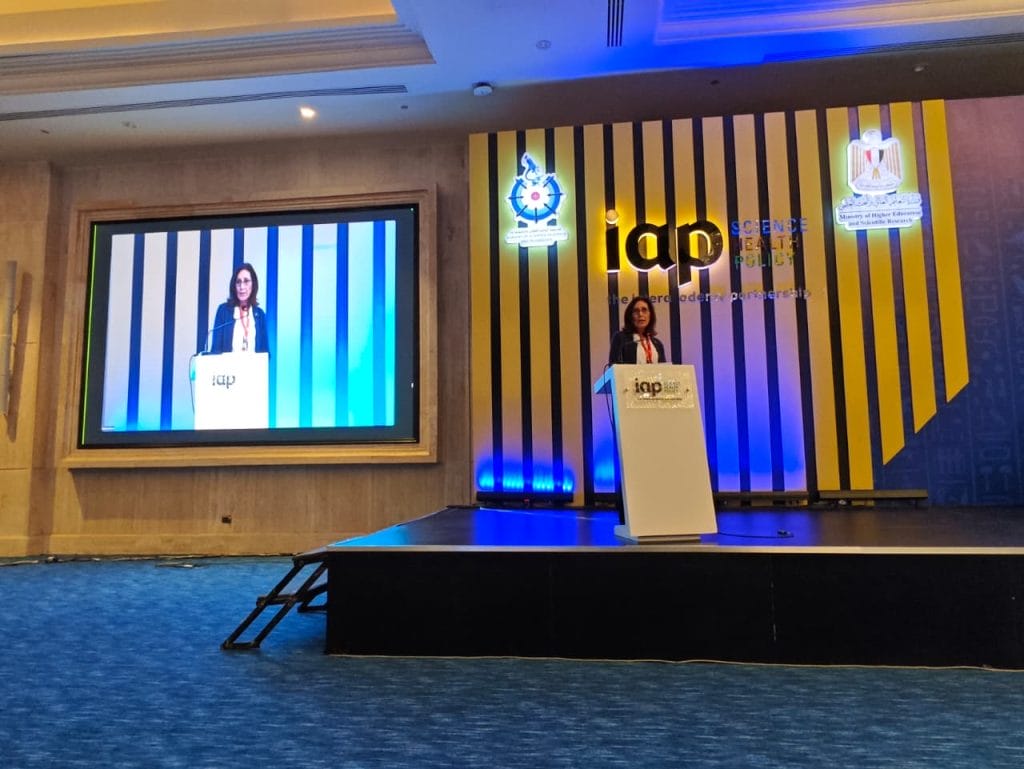
Karen Strier: Building Trust Through Cooperation, Reprocity and Communication
Karen Strier, IANAS Co-Chair and Vilas Research Professor at the University of Wisconsin-Madison, brought a unique perspective to the discussion. She noted that trust in science requires trust in scientists, emphasizing that credibility begins with the individuals who produce and communicate knowledge. She argued that trust, whether among individuals or between science and society, depends on cooperation and reciprocity. She highlighted that these principles, fundamental in biological communities, are equally vital for resilient knowledge systems. Strier underscored the importance of clear and culturally sensitive communication, noting that effective science communication is not just about transmitting facts, but also about making them accessible and meaningful. She advocated for strategies such as storytelling and the use of culturally salient narratives, which help bridge the gap between scientific evidence and public understanding. She also emphasized that the equitable distribution of the benefits of science is essential to ensure that all communities can access and benefit from scientific progress.
Her presentation also referenced recent global data showing that over 80% of respondents expect scientists to engage with the public, and more than 50% want scientists involved in policymaking. These findings, published in Nature Human Behaviour (2025), reinforce the urgency of strengthening science-society relationships. Strier called on academies to expand best practices for public engagement, leveraging resources from scientific organizations and universities, and to build networks that foster cooperation while respecting cultural diversity. She urged Academies to seize this opportunity to reaffirm science as a trusted pillar of democratic societies.
Helena Nader: Defending Science as a Democratic Imperative
Helena Nader, Professor Emeritus at the Federal University of São Paulo (Unifesp), addressed the geopolitical challenges confronting science today, warning that scientific institutions have increasingly become targets in ideological disputes. She called for institutional resilience, protection of academic freedom, and sustained investment in education. Nader stressed that rebuilding trust requires more than communication as it demands inclusion and diversity, ensuring that voices from the Global South and marginalized communities are fully integrated to decision-making. She proposed creating a global protective architecture among Academies to counter misinformation, safeguard scientists under threat, and share best practices internationally.

A Global Dialogue about Trust in Science
The session also counted on the participation of Mahouton Norbert Hounkonnou (President of the Network of African Science Academies, NASAC), Lise Øvreås (Incoming President of the European Academies’ Science Advisory Council, EASAC), Francis-André Wollman (Vice-President for International Affairs of the Académie des Sciences, France), and Frances Separovic (Foreign Secretary of the Australian Academy of Science), reflecting a wide range of perspectives from across the continents. Their contributions reinforced the idea that trust in science is a universal concern, requiring international solidarity and cross-regional collaboration. From defending academic freedom to promoting inclusive knowledge systems, the speakers collectively called for global networks to ensure that science remains a cornerstone of evidence-based policy and societal progress.
Participants highlighted that trust in science is a shared responsibility, with science academies acting as vital bridges between evidence and society. They stressed the importance of transparency, independence, and equity in fostering credibility. The session closed with a powerful call to action: science must remain open, inclusive, and resilient to effectively serve the needs of society.
Credit (images): Marcos Cortesão (ABC/IANAS)
Other news