
Water Program Advances Agenda in the Peruvian Amazon
Contents
Addressing Rural Sanitation in the Amazon
The IANAS Water Program carried out an intensive series of activities in Peru during June 2026, bringing together scientists, policymakers, universities, local authorities, and community representatives to address one of the most pressing yet frequently overlooked challenges in sustainable development: sanitation in the Amazon region. These efforts were developed within the project “Water, Forests and Sand – ecosystem health and human health”, an initiative under the IANAS Amazon Initiative that seeks to strengthen the links between scientific knowledge, environmental management, and public well-being.
The activities focused on wastewater management and rural sanitation, an area of growing concern worldwide. Despite progress in water supply coverage, sanitation remains significantly behind global targets. According to the United Nations monitoring framework for Sustainable Development Goal (SDG) 6, current trends indicate that achieving universal access to adequate sanitation and hygiene by 2030 will require substantial acceleration of efforts, particularly in vulnerable and remote regions.
International Conference Highlights Innovative Sanitation Solutions
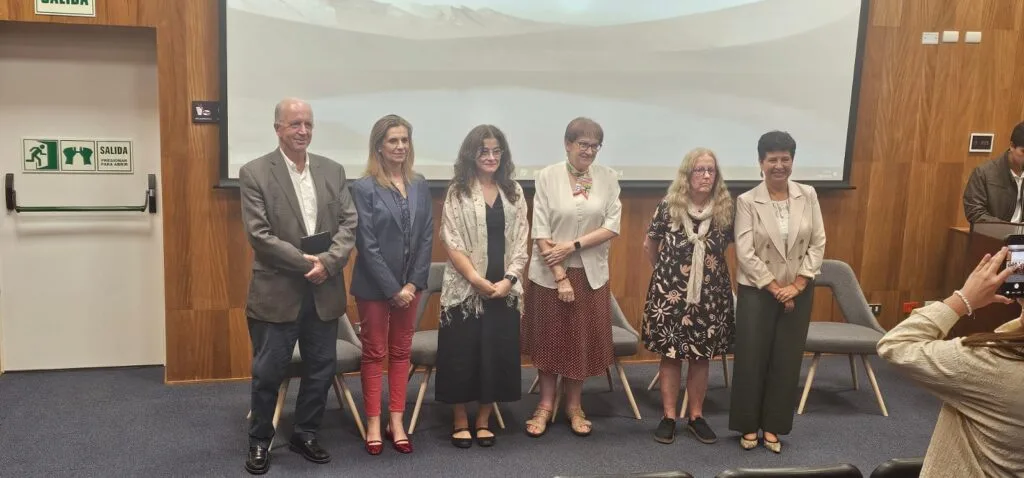
The program began on June 12 in Lima with a conference organized by Peru’s IANAS Water Program Focal Point, Nicole Bernex, together with Water Program Co-Chair Katherine Vammen. The event was supported by IANAS, the InterAcademy Partnership (IAP), the National Academy of Sciences of Peru (ANC), and the Pontifical Catholic University of Peru (PUCP).
The keynote address, “Innovative Approaches to Sustainable and Efficient Sanitation in Urban and Rural Areas”, was delivered by Banu Örmeci, Canada’s Water Program Focal Point and an internationally recognized expert in wastewater treatment and sanitation. Örmeci emphasized the potential of decentralized wastewater treatment systems, which can offer cost-effective and adaptable alternatives to conventional large-scale infrastructure, particularly in remote and underserved communities.
A central theme of her presentation was the use of nature-based solutions, including phytoremediation technologies that employ native plant species to remove contaminants from wastewater. Such approaches can simultaneously improve environmental performance, strengthen resilience, and reduce operational costs while adapting to local ecological conditions.
The conference also featured a high-level roundtable bringing together leading voices in Peru’s water and sanitation sector, including former Minister of Housing, Construction and Sanitation Hania Pérez de Cuéllar and other specialists in regulation, communications, public policy, and strategic planning. Discussions focused on practical pathways for strengthening sanitation governance and expanding access to sustainable services in both urban and rural contexts. The event drew around 50 in-person participants, along with a wider audience joining remotely through digital platforms.
Field Activities in the Peruvian Amazon
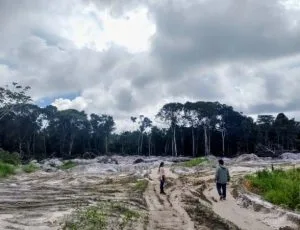
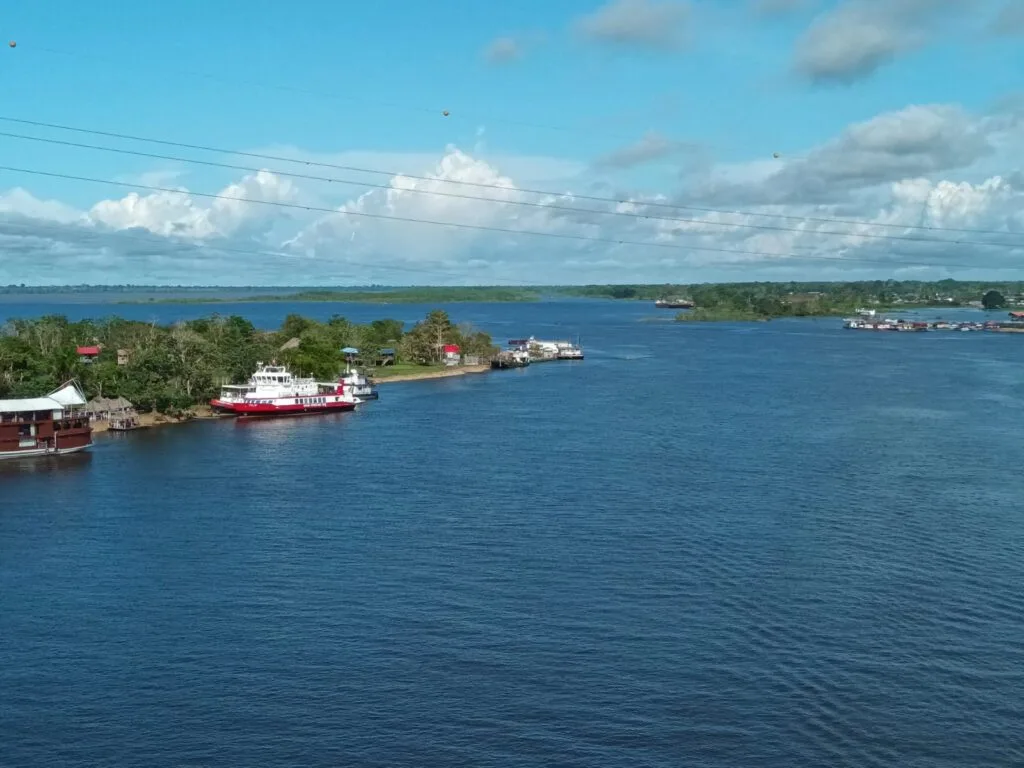
Following the Lima event, IANAS representatives traveled to Iquitos and surrounding areas to conduct field visits and stakeholder meetings aimed at better understanding the realities of water supply and sanitation in Amazonian communities. These visits examined challenges faced by both flood-prone urban areas and remote rural settlements.
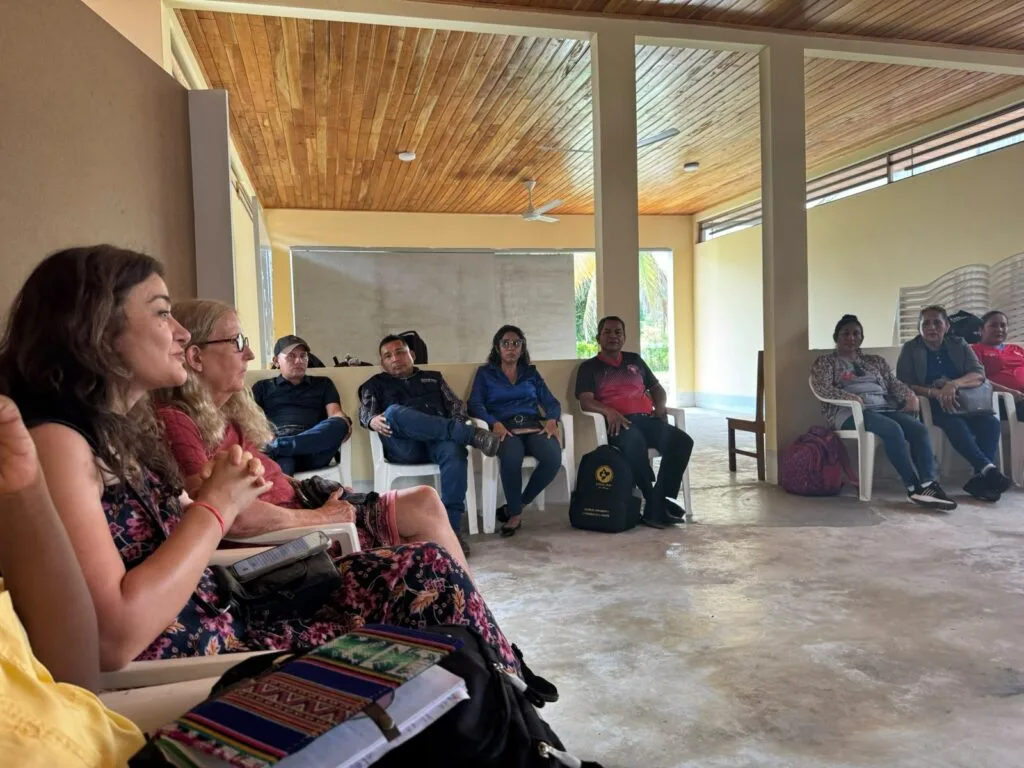
One of the key visits took place in El Milagro, an educational complex operated by Fe y Alegría that includes secondary schools and a technical institute with student residences. The team assessed water demand, water sources, quality requirements, wastewater management practices, and existing sanitation infrastructure. The findings will help identify opportunities for improving service provision and promoting more sustainable water management models.
The delegation also met with municipal authorities in Maynas Province to learn about the implementation of the Territorial Conditioning Plan (PAT), which incorporates water and sanitation improvements as part of a broader strategy for territorial development and public service enhancement.
Building Partnerships for Sustainable Sanitation
A major objective of the mission was to strengthen collaboration with the National University of the Peruvian Amazon (UNAP) and regional stakeholders. Meetings were held with researchers from the Faculty of Forest Sciences, including experts in forest ecology, botany, and anthropology who have participated in previous IANAS activities in the region. Discussions also involved members of the Water and Sanitation Board of El Milagro, allowing the Program to incorporate local perspectives into future initiatives. These exchanges build on a series of IANAS activities previously conducted in the Peruvian Amazon aimed at understanding the interconnections between water resources, forests, biodiversity, land-use change, and human health.
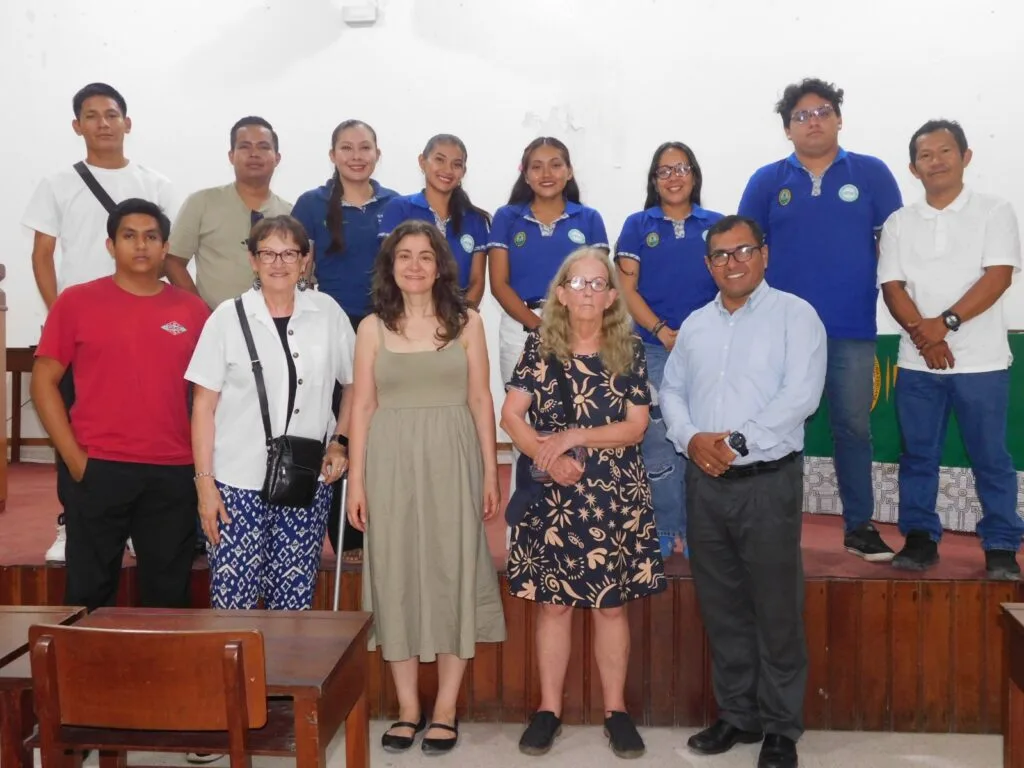
The June program concluded with a public conference at UNAP on June 19, where Banu Örmeci presented recent advances in wastewater management and sanitation technologies. Approximately 90 professors, researchers, and students attended the event, engaging in a dynamic discussion on the challenges and opportunities facing the Peruvian Amazon.
Through these activities, the IANAS Water Program reaffirmed its commitment to fostering regional collaboration, scientific excellence, and evidence-based solutions to address sanitation challenges in the Americas. The partnerships strengthened in Peru during June 2026 provide a solid foundation for future research, innovation, and community engagement aimed at achieving healthier ecosystems and healthier communities across the Amazon.
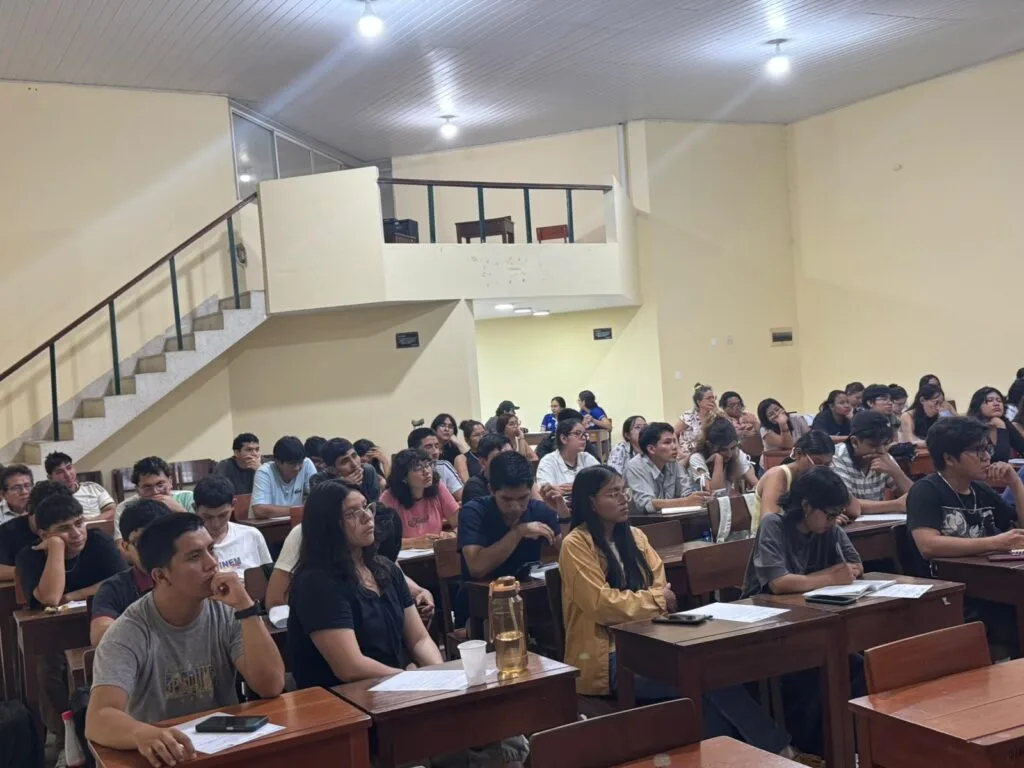
Credit (all images): collaborators of the activities
Other news