Young Scientists from the Americas Build New Connections at Latin America Symposium
Contents
The Connections to Sustain Science in Latin America Symposium 2026 was held in August
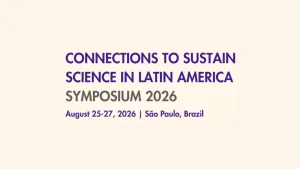
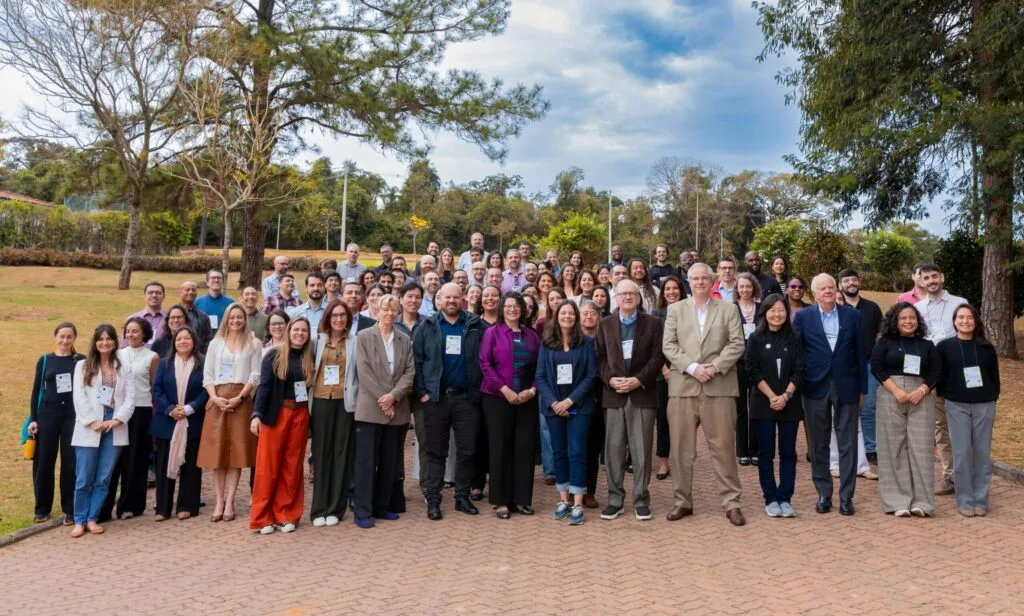
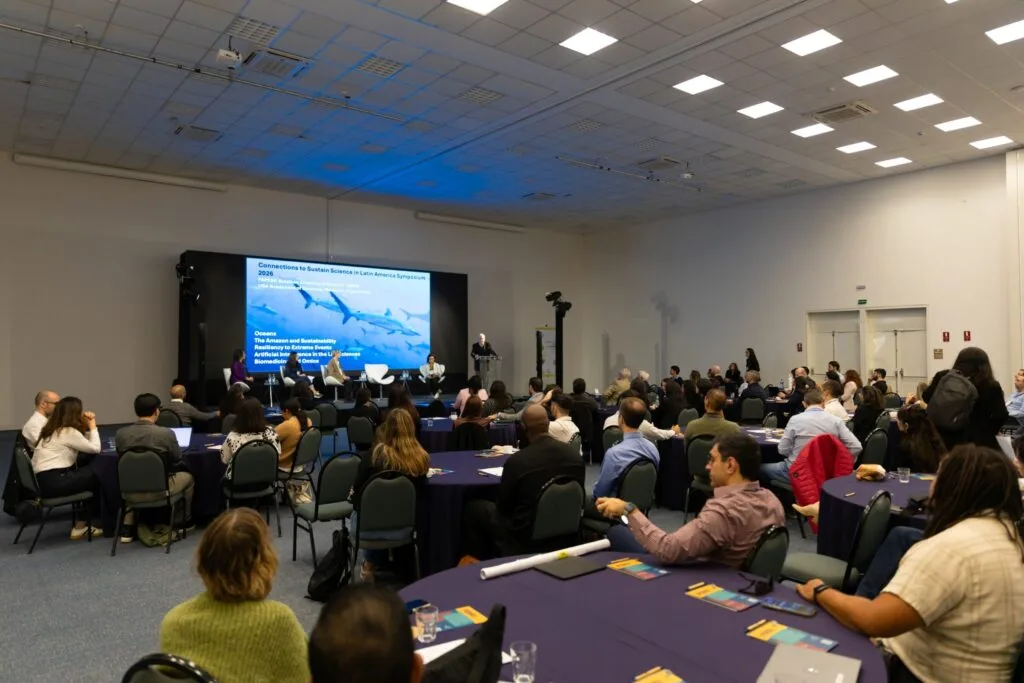
Nearly 100 researchers, health professionals, policymakers, civil society representatives, and industry participants from 17 countries across the Americas gathered in Itatiba, São Paulo, Brazil, from 25 to 27 August for the Connections to Sustain Science in Latin America Symposium 2026, an international initiative aimed at strengthening scientific cooperation and fostering the next generation of scientific leadership in the region.
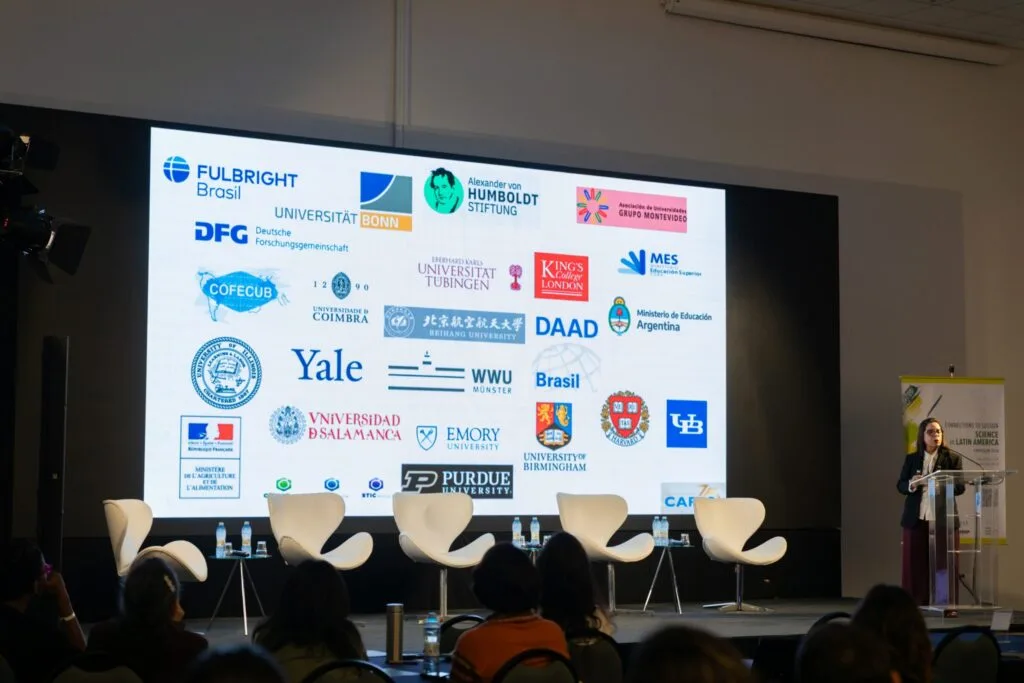
Co-organized by IANAS in partnership with the U.S. National Academies of Sciences, Engineering, and Medicine (NASEM), the Brazilian Academy of Sciences (ABC), and the São Paulo Research Foundation (FAPESP), with support from the Chan Zuckerberg Initiative, the symposium was designed to connect early- and mid-career scientists across disciplinary, institutional, and national boundaries.
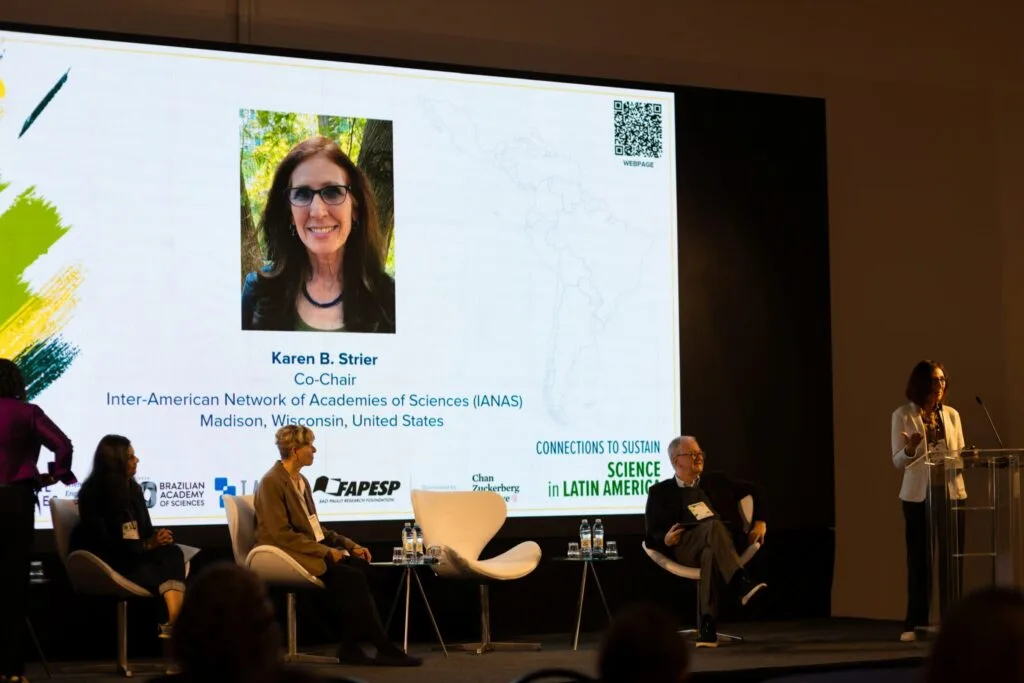
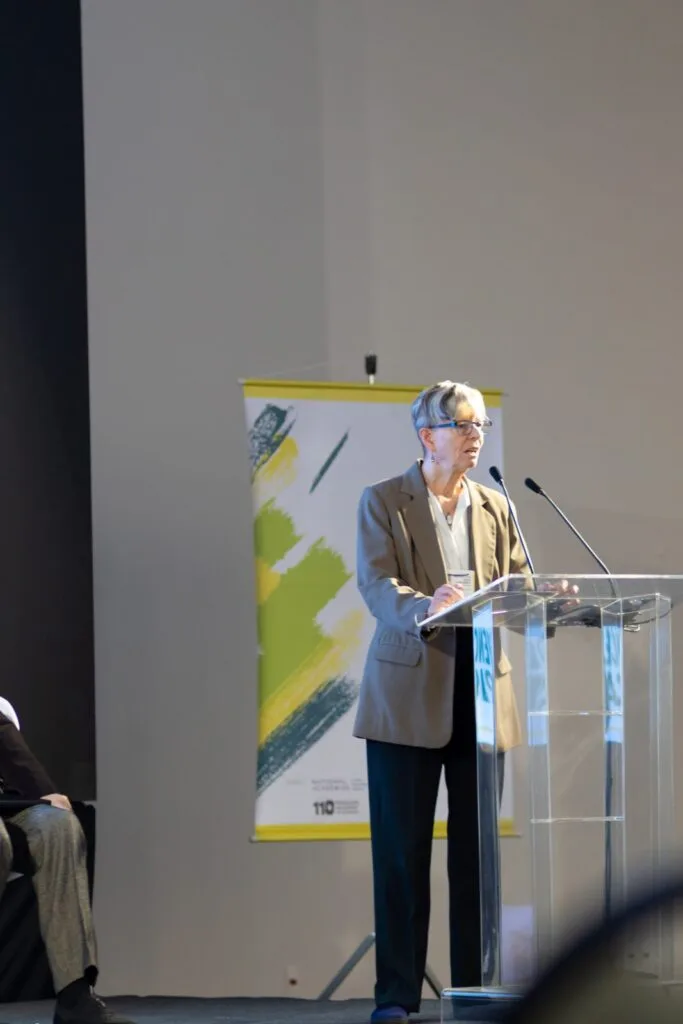
During the opening session, Karen Strier, Co-Chair of the InterAmerican Network of Academies of Sciences (IANAS), highlighted the network’s role in strengthening scientific cooperation across the Americas and presented some of its flagship initiatives, including programs focused on women in science, water security, Amazonian sustainability, and Antarctic research. Strier emphasized that partnerships among national academies are essential for promoting knowledge exchange, expanding research capacity, and addressing challenges shared by countries throughout the region. She also noted that IANAS was proud to be part of the organization of the Connections to Sustain Science in Latin America Symposium 2026, an initiative that reflects the network’s commitment to fostering scientific collaboration and supporting emerging scientific leaders.
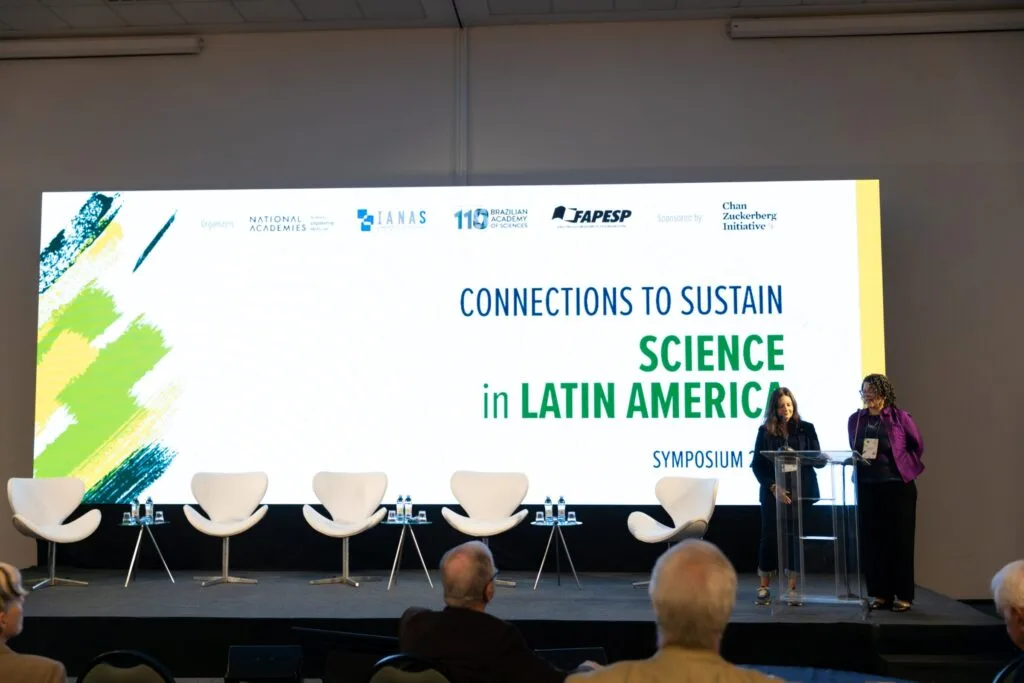
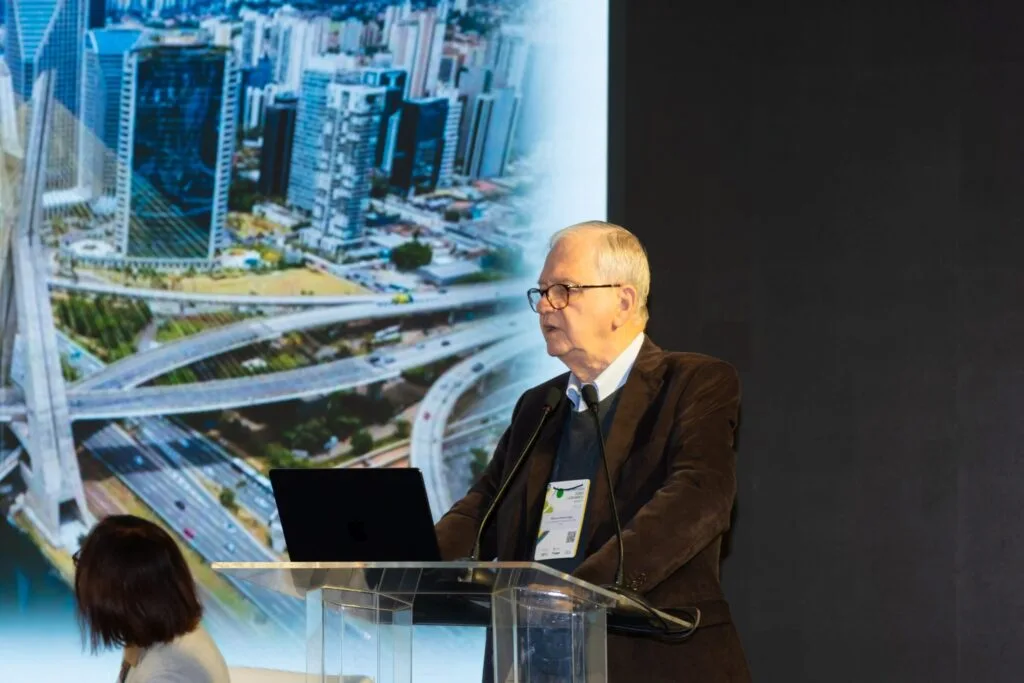
Helena B. Nader, President of ABC, welcomed participants by underscoring the importance of regional and international cooperation in addressing challenges that transcend national borders, including climate change, biodiversity loss, public health threats, and extreme weather events. She highlighted the symposium’s broader mission of building a scientific ecosystem capable of sustaining research excellence and innovation throughout Latin America and the Caribbean. Representing the U.S. National Academies of Sciences, Engineering, and Medicine (NASEM), Cherry Murray emphasized the value of partnerships among scientific academies and the role of science diplomacy in strengthening research collaboration throughout the Americas. She noted that scientific challenges increasingly require coordinated international responses and stressed the importance of creating opportunities for early- and mid-career researchers to build professional networks that can evolve into long-term collaborations. Marco Antonio Zago, President of FAPESP, reinforced the symposium’s central objective of creating lasting scientific and personal connections among early- and mid-career researchers, noting that complex challenges such as sustainability, ocean conservation, and health require increasingly interdisciplinary and international approaches. He reaffirmed FAPESP’s commitment to supporting initiatives that foster scientific excellence, promote international collaboration, and strengthen research networks across Latin America and the Caribbean.
Addressing Challenges of Regional and Global Relevance
The scientific program explored a diverse set of themes reflecting pressing challenges for the Americas. During the first day, sessions focused on “Oceans” and “Amazonia and Sustainability”, bringing together experts discussing climate modeling, deep-sea ecosystems, fisheries, deforestation, environmental health, and evidence-based policymaking. Presentations highlighted both the scientific complexity of these issues and the importance of integrating local knowledge, policy perspectives, and international cooperation.
On the second day, discussions addressed “Opportunities for Collaboration”, “Extreme Event Resilience” and “Artificial Intelligence Applied to the Life Sciences”. Participants explored new approaches to climate services, flood forecasting, wildfire prevention, biodiversity monitoring, and the use of artificial intelligence in scientific research. Speakers emphasized the growing role of advanced computational tools while underscoring the continued importance of human expertise, interdisciplinary collaboration, and ethical responsibility.
The final day focused on “International Collaboration Opportunities”, as well as advances in “Biomedicine and Omics Sciences”. Representatives from funding agencies, philanthropic organizations, and research institutions presented opportunities to support scientific mobility, collaborative projects, and international partnerships. Scientific sessions explored emerging developments in genomics, bioinformatics, precision oncology, and extracellular RNA research, illustrating how cutting-edge biomedical science is expanding opportunities for diagnosis, treatment, and personalized medicine.
Building Lasting Scientific Connections
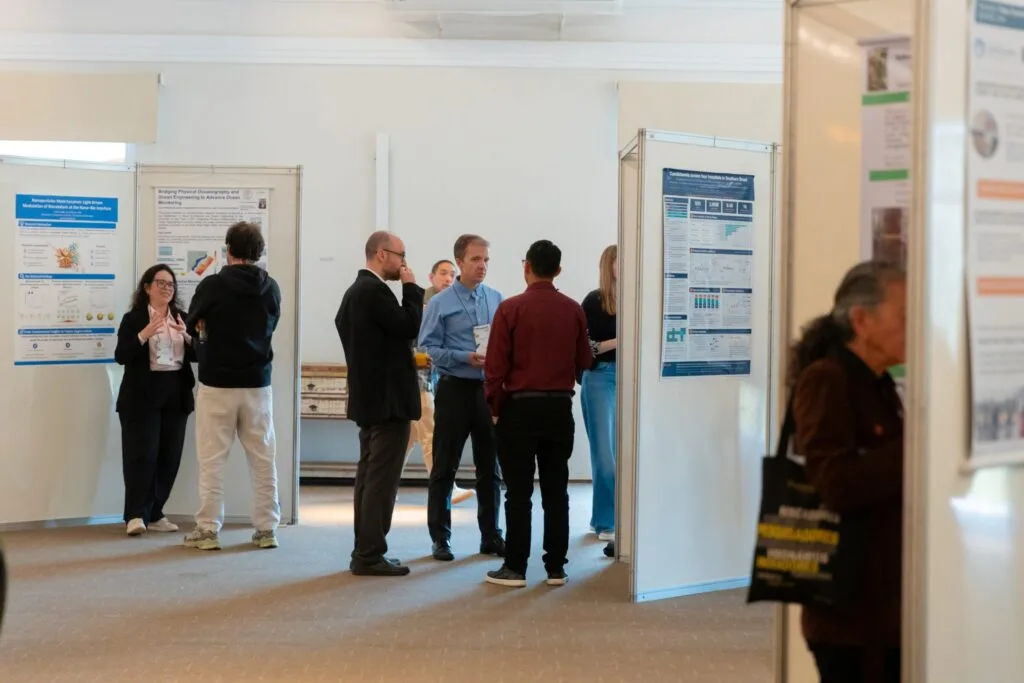
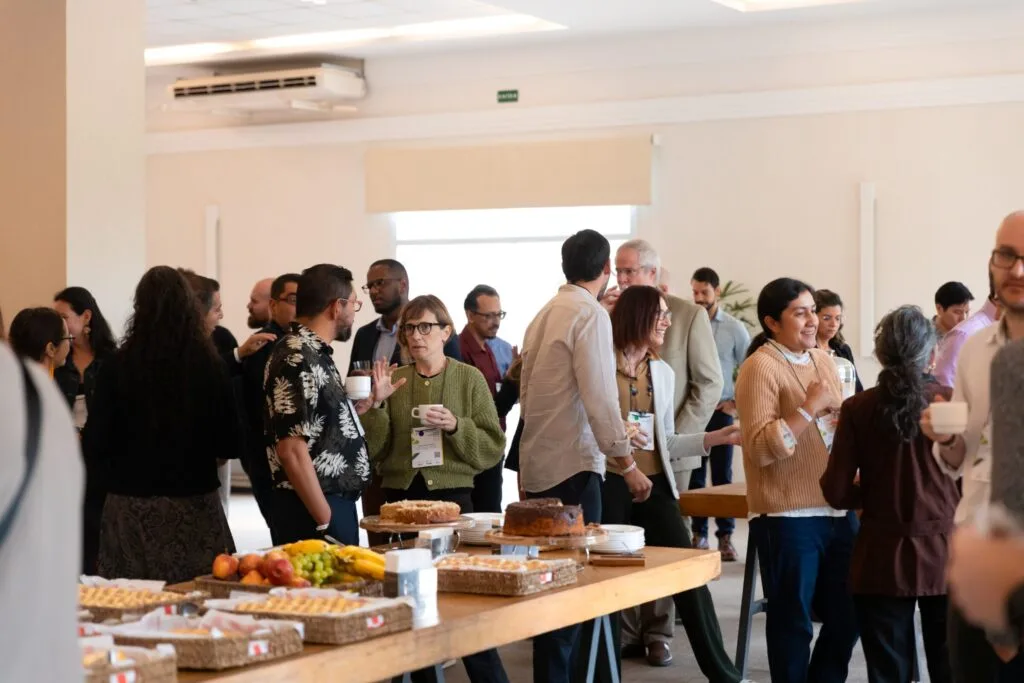
A defining feature of the symposium was its strong emphasis on networking and interdisciplinary exchange. Throughout the event, participants engaged in poster sessions and rapid one-minute presentations known as Flash Talks, which provided opportunities to introduce research projects, identify common interests, and initiate future collaborations. More than 50 early-career researchers took part in these activities over the course of the meeting.
The multidisciplinary nature of the symposium created an environment where scientists working in fields as diverse as environmental sciences, health, engineering, artificial intelligence, biodiversity, and public policy could exchange ideas and identify new opportunities for cooperation. Organizers repeatedly emphasized that many of the most valuable outcomes of the program emerge not only from formal presentations but also from the professional relationships established among participants.
A Shared Commitment to the Future of Science in the Americas
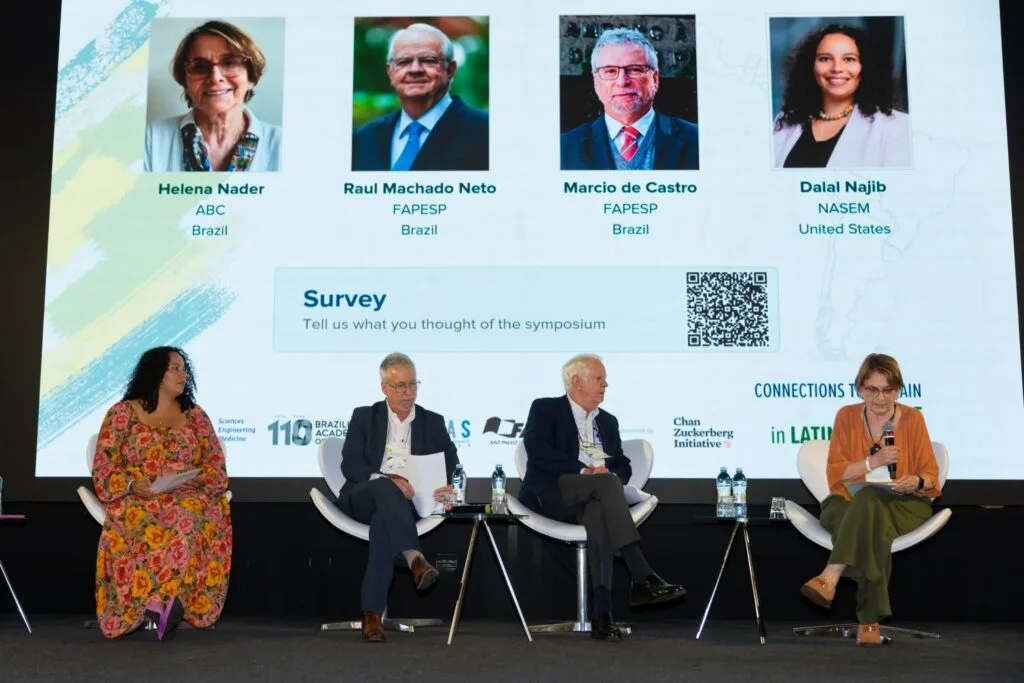
During the closing session, representatives from ABC, FAPESP, and NASEM reflected on the achievements of the symposium and its long-term impact. Speakers emphasized that sustaining science in Latin America requires more than funding and infrastructure; it depends on building durable networks of trust, cooperation, and knowledge exchange among researchers and institutions throughout the region.
For IANAS, the symposium represents an important example of how Science Academies can work together to strengthen regional research capacity and support emerging scientific leaders. By bringing together talented researchers from across the Americas to address common challenges, the Connections program fosters the collaborative spirit needed to advance science and generate solutions with lasting societal impact.
Other news