Science-Innovation Interface in Latin America
Contents
Introduction
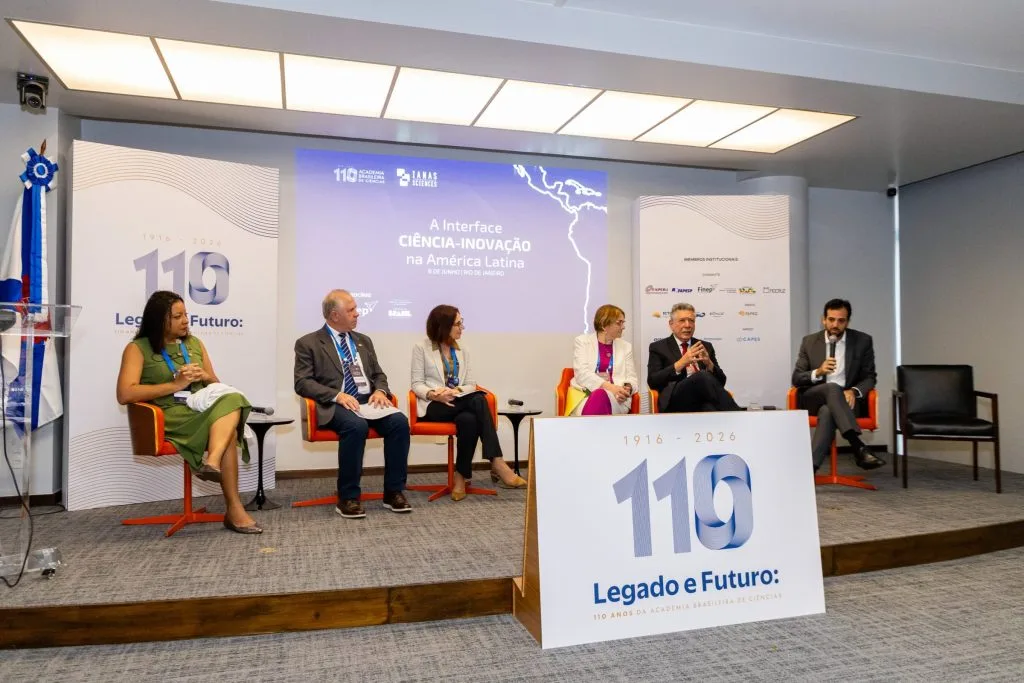
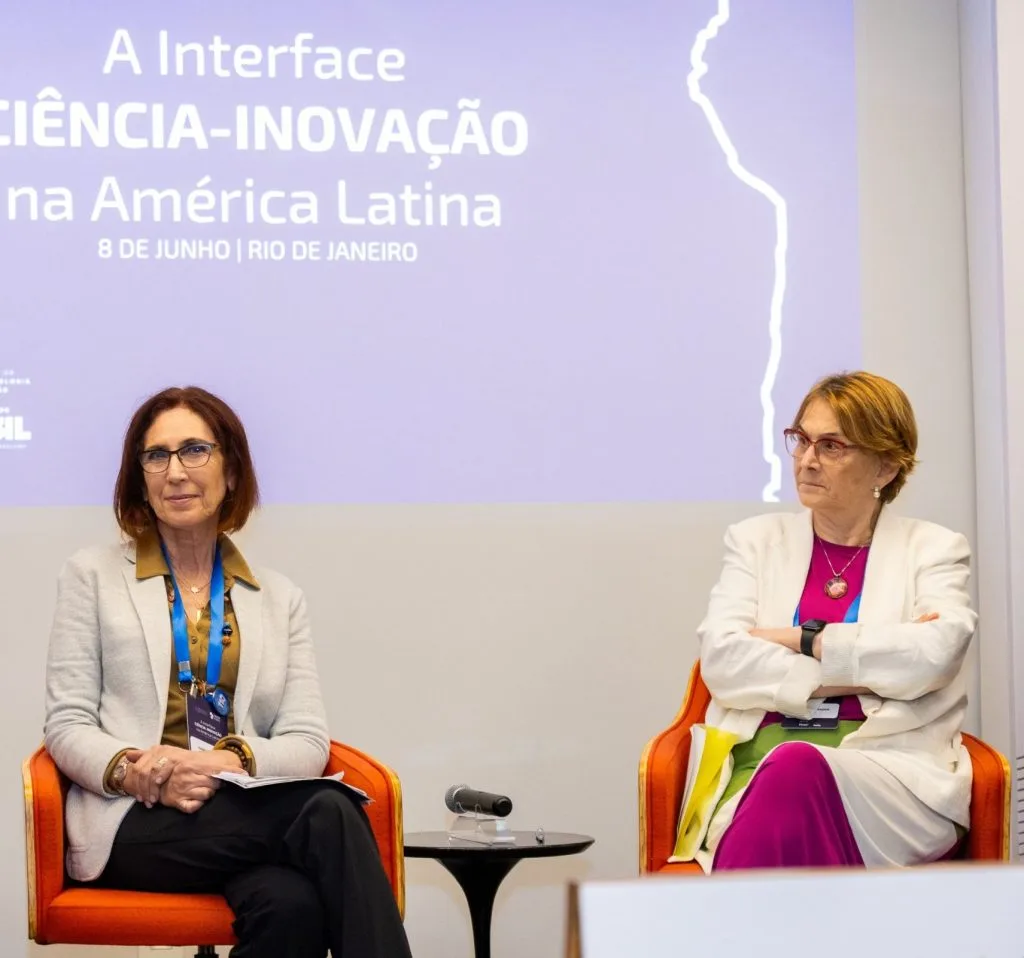
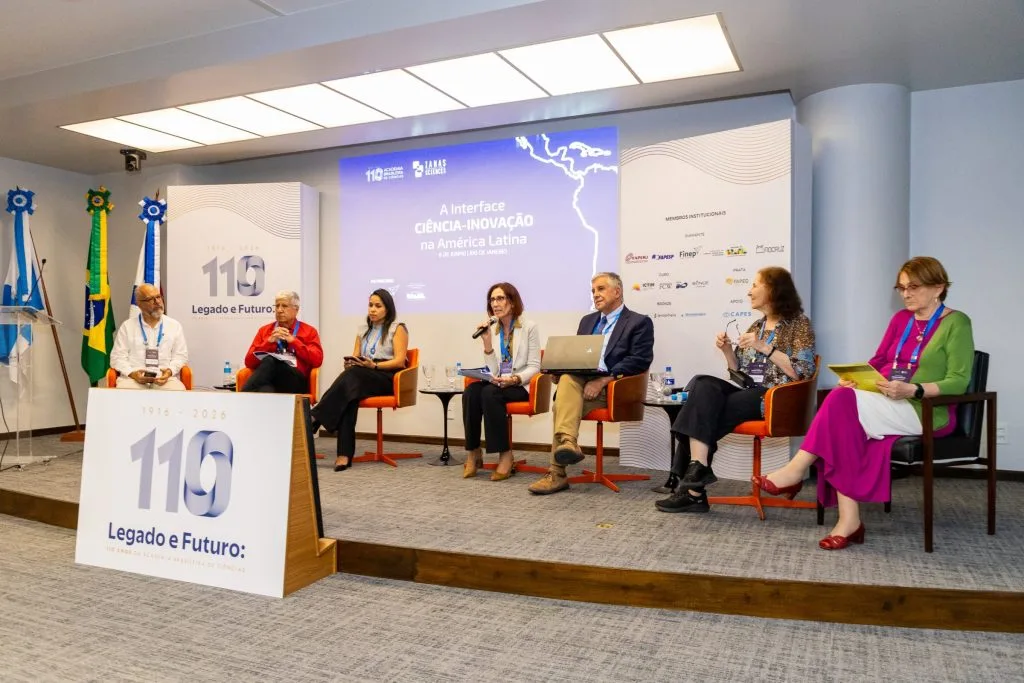
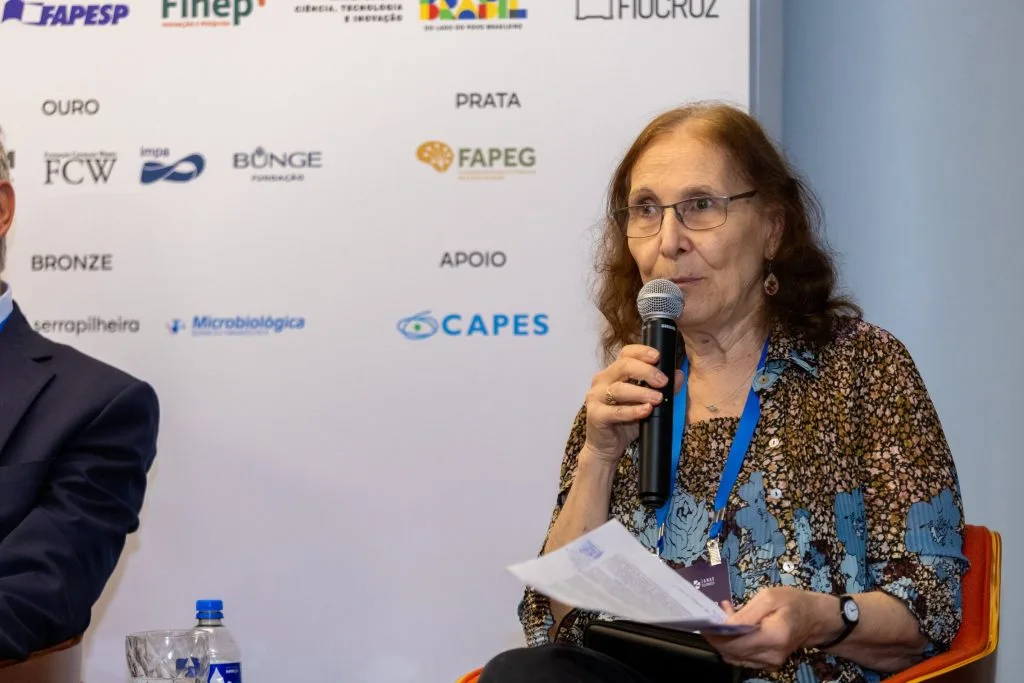
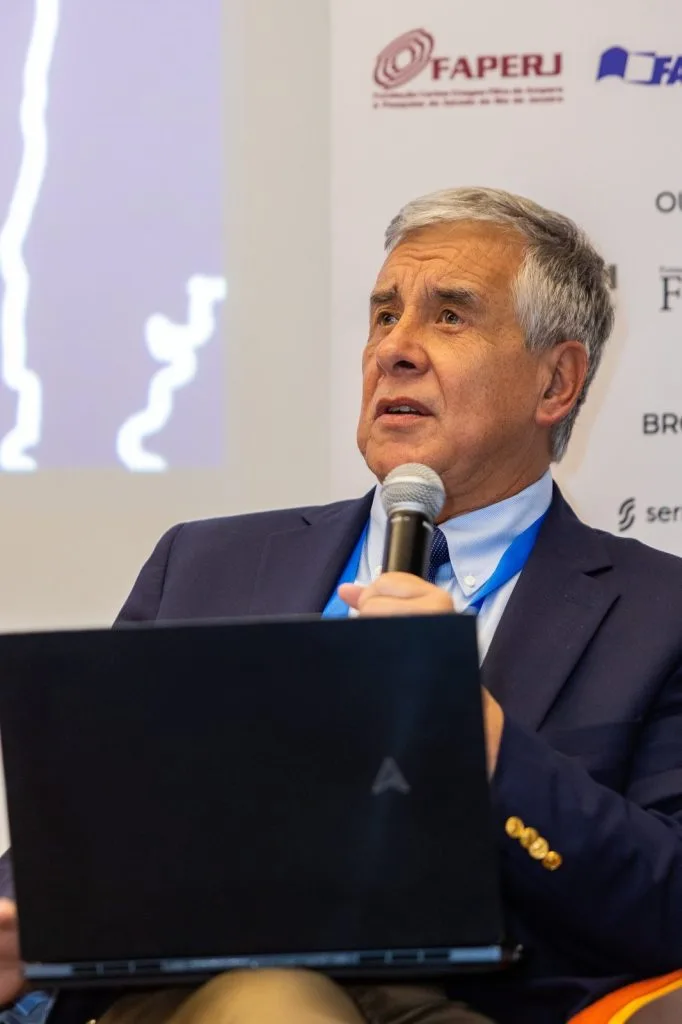
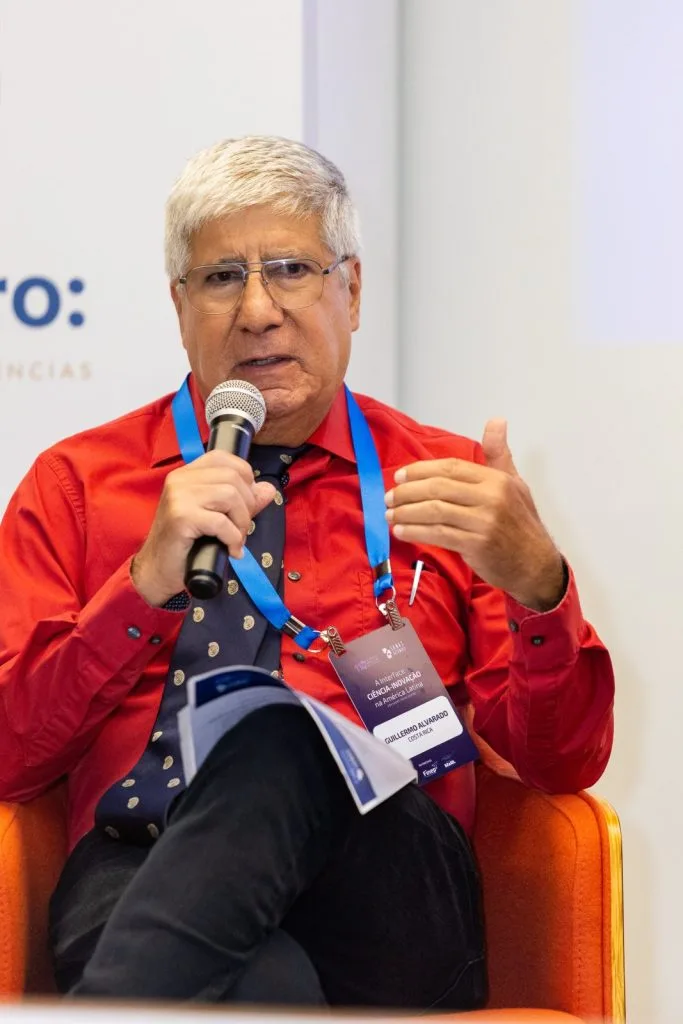
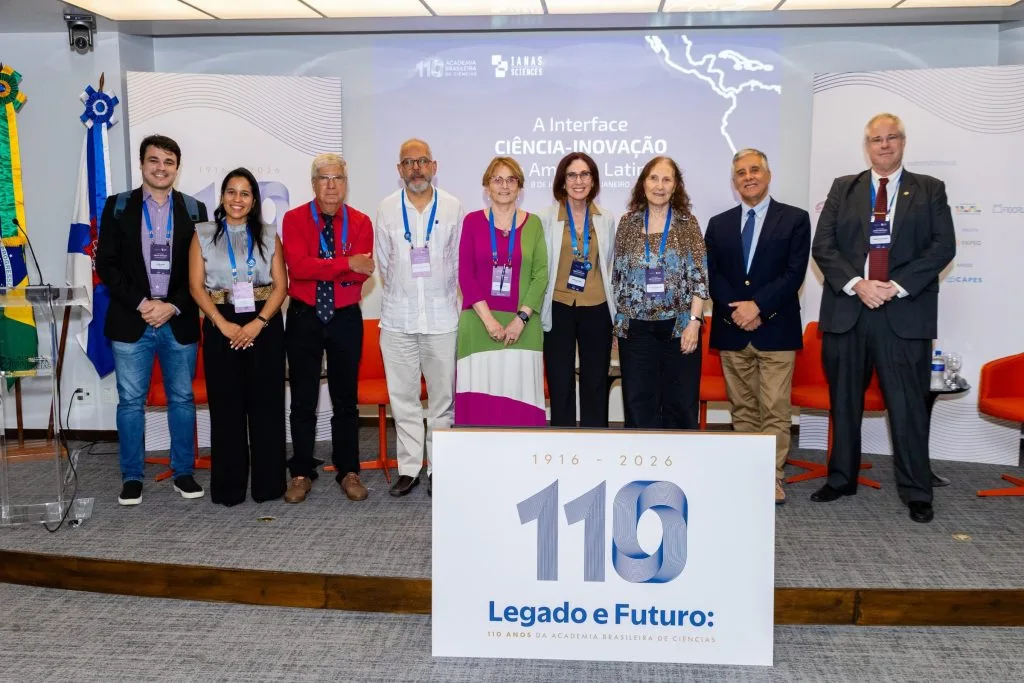
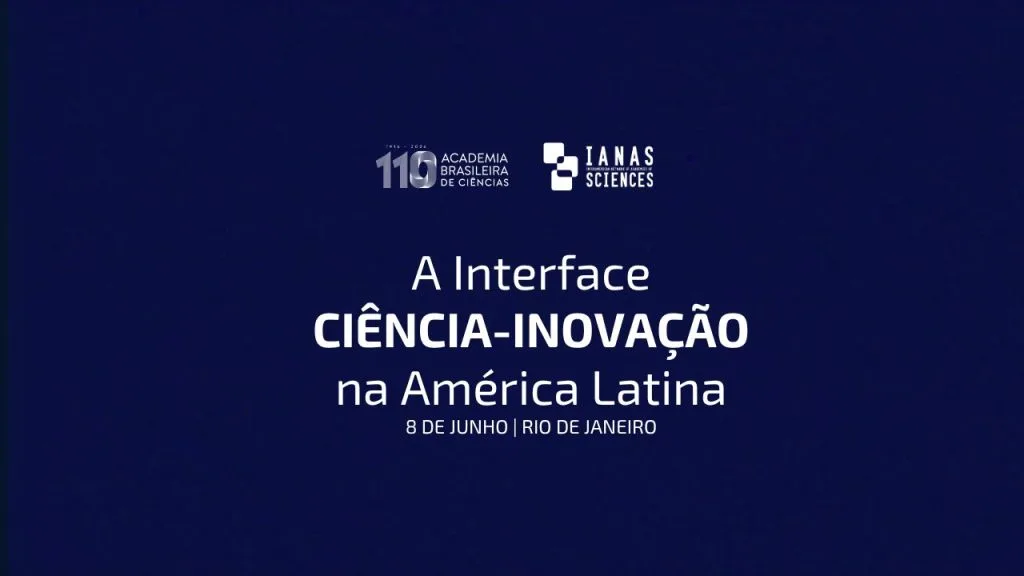
On June 8, 2026, the Inter-American Network of Academies of Sciences (IANAS) and the Brazilian Academy of Sciences (ABC) convened a high-level meeting in Rio de Janeiro, Brazil, to advance dialogue on the “Science-Innovation Interface in Latin America”. Sponsored by the Brazilian Funding Agency for Studies and Projects (Finep), the event brought together leading scientists, innovation experts, funding agencies, and representatives of several national academies from across the region, underscoring the growing importance of aligning scientific knowledge with innovation systems to promote sustainable development.
Participants from different countries, including Argentina, Brazil, Chile, Colombia, Costa Rica and Panama, engaged in discussions aimed at strengthening cooperation between science institutions and innovation agencies, a key step toward translating research into tangible socio-economic impacts. The event was held in the context of the Annual Meeting of the Latin American Network of Innovation Agencies (RELAI), bringing together academies from some countries that are members of the network and creating a unique opportunity to deepen dialogue between scientific communities and institutional actors responsible for innovation policy and implementation.
Declaration
The event culminated in the presentation of the joint declaration “Toward an Agenda of Regional Integration and Science and Innovation Policies for Sustainable and Sovereign Development in Latin America”, marking a key outcome of the meeting. The document calls for a renewed commitment to regional integration in science, technology, and innovation policies, emphasizing that stronger links between scientific research and innovation systems are essential for sustainable development, industrial competitiveness, and national sovereignty.
Available in English, Spanish and Portuguese, the declaration underscores that robust national innovation systems, characterized by effective interaction among universities, research centers, industry, government, and civil society, are fundamental for transforming scientific knowledge into socio-economic benefits. At the same time, the document acknowledges structural challenges faced by the region, including insufficient investment in research and development, limited coordination among innovation actors, and dependence on external technologies. Addressing these barriers, the Academies argue, will require coordinated regional strategies and sustained political commitment.
Media Coverage
Recording of the Meeting
Watch the full meeting recording below, including all sessions, presentations, and discussions.
Photo Gallery