
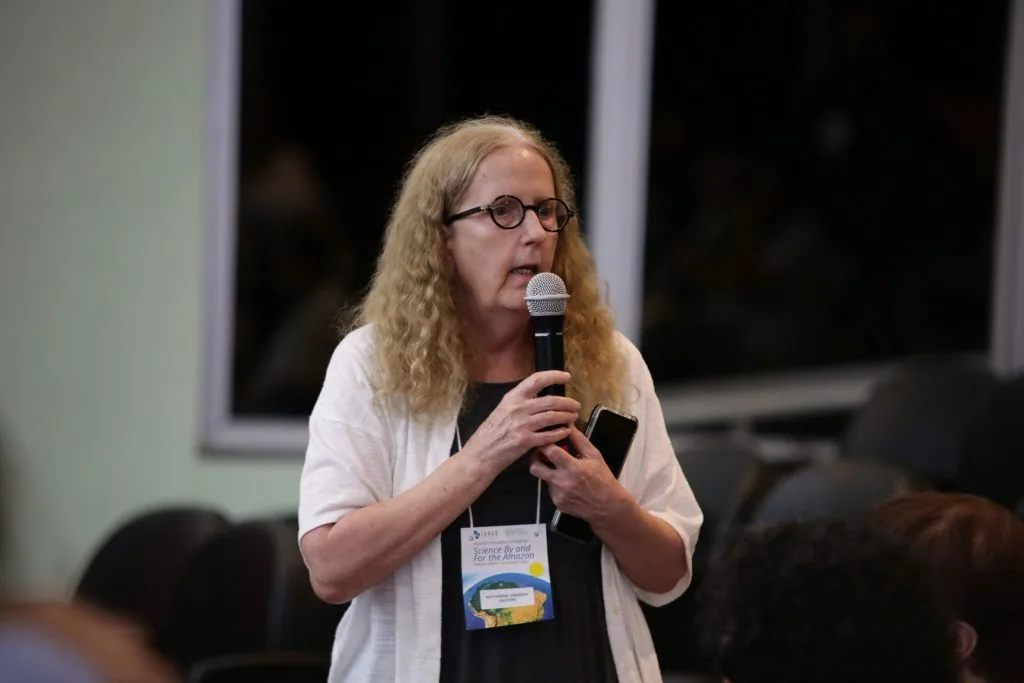
Katherine Vammen interviewed about IANAS Water Program activities
Contents
The hidden role of sand in sustaining Amazon ecosystems
An interview published by PUCP PuntoEdu features Katherine Vammen, Co-Chair of the IANAS Water Program, discussing the environmental and social impacts of sand extraction in the Peruvian Amazon and the importance of protecting the interconnections between forests, soils, water resources, and human health.
In the interview, Vammen explains that sand is far more than a construction material. In Amazonian ecosystems, sandy soils play a critical role as natural filters, helping improve the quality of water that flows through the ground before reaching springs, streams, and shallow aquifers. According to Vammen, the removal of forests and the disturbance of sandy soils for sand extraction can disrupt this natural filtration system, affecting both water quality and water availability for local communities.
The interview highlights concerns in the Iquitos-Nauta corridor in Peru’s Loreto region, where extensive sand extraction has already affected thousands of hectares of Amazonian forest. Vammen notes that the region’s fragile varillales forests – ecosystems that develop on nutrient-poor sandy soils – are particularly vulnerable. These forests support unique biodiversity and contribute to the delicate balance between vegetation, groundwater, and surface water resources. Continued expansion of sand extraction could threaten their long-term survival.
IANAS leads collaborative research in the Amazon
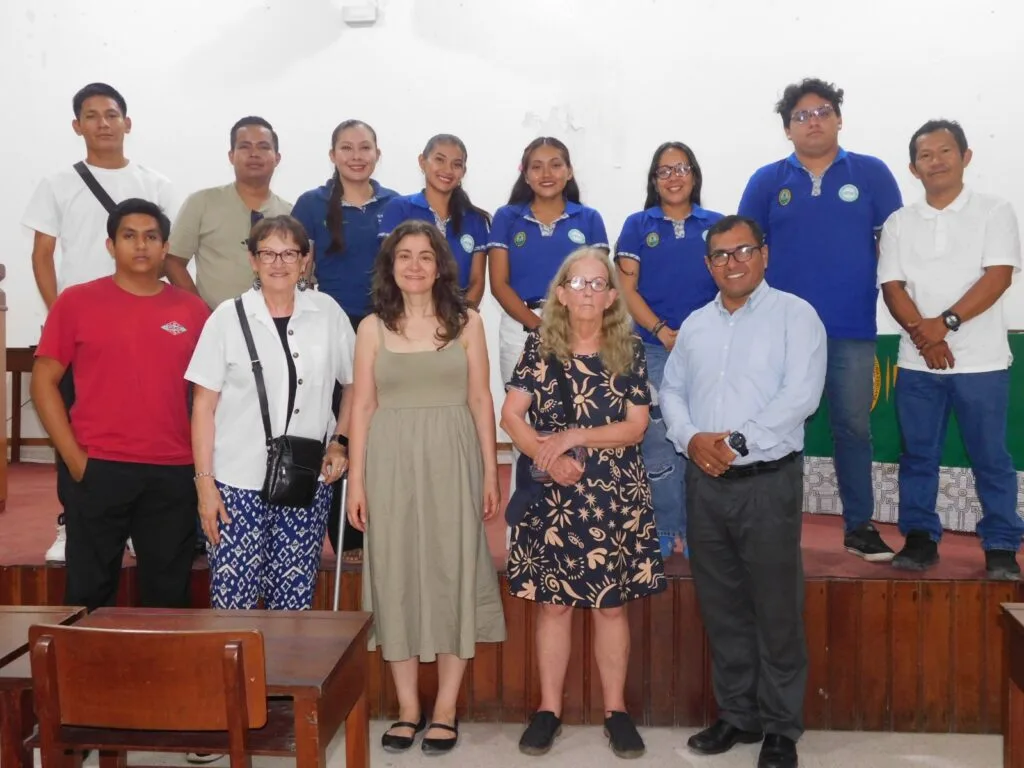
Katherine Vammen’s remarks are framed within the context of the project “Water, Forests and Sand – ecosystem health and human health”, an initiative promoted by the IANAS Water Program and the IANAS Amazon Initiative, in collaboration with the Pontifical Catholic University of Peru (PUCP) and the National Academy of Sciences of Peru. The multidisciplinary project investigates how sand extraction influences ecosystem integrity, water security, and community well-being in the Amazon.
The project brings together more than 25 researchers from several institutions and disciplines, reflecting IANAS’ commitment to interdisciplinary approaches for addressing complex environmental challenges. Research activities include the study of groundwater resources, ecosystem restoration strategies, sustainable sanitation solutions, and alternatives to the growing demand for construction sand.
Vammen also emphasizes the direct relationship between ecosystem health and human health. Access to safe water and adequate sanitation remains a challenge in many Amazonian communities, and environmental degradation can exacerbate existing public health concerns. The project is therefore exploring innovative and locally adapted solutions, including nature-based sanitation systems and the use of native plants for wastewater treatment.
Another important component of the initiative is capacity building. The project includes field courses, training activities, and webinars involving students and researchers from Peruvian universities, helping strengthen scientific knowledge and fostering the next generation of experts working on water, environmental management, and sustainable development.
Credit (featured image): Erikson Fernandes/ABC
Other news